By Shravan Gupta.
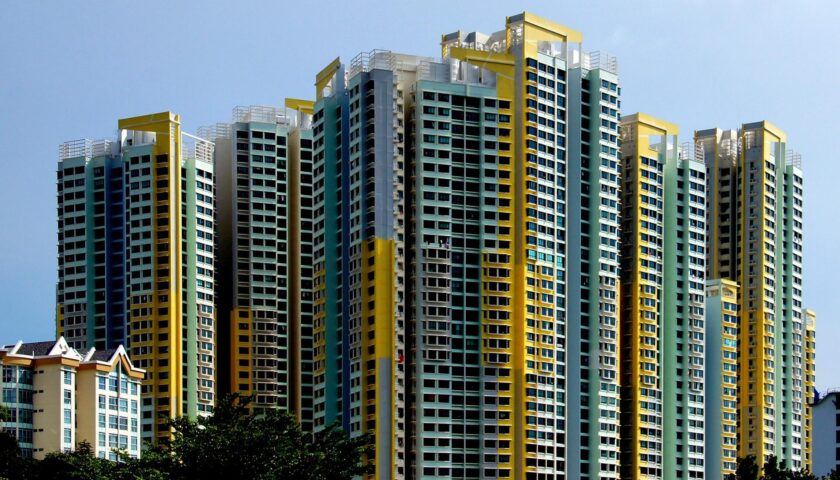
The integration of premium lifestyle amenities ranging from dedicated co-working spaces and expansive swimming pools to state-of-the-art fitness centres has become a defining hallmark of modern high-rise developments. In today’s fast-evolving urban landscape, these features are no longer viewed as optional luxuries; they are essential components that shape both the desirability and long-term value of residential assets. Developers like Shravan Gupta are increasingly recognising that a well-curated amenity ecosystem significantly enhances not just the living experience, but also the financial performance of a project.
Attractive investment angle:
From an investment standpoint, such amenities directly contribute to higher rental yields and stronger capital appreciation. Properties that offer integrated lifestyle solutions tend to attract a more discerning tenant base: professionals, entrepreneurs, and globally exposed individuals who prioritise convenience, productivity, and well-being. The presence of co-working spaces, for instance, aligns seamlessly with the rise of hybrid work models, allowing residents to work efficiently without stepping outside their residential environment. Similarly, wellness-orientated features such as fitness centres, yoga decks, and recreational zones respond to the growing emphasis on health-conscious living.
High-rise developments equipped with premium amenities consistently command higher rents and experience lower vacancy rates. Tenants are willing to pay a premium for residences that offer a holistic lifestyle, thereby ensuring stable and predictable income streams for investors.
Sustainable community living.
An equally important aspect is the role these amenities play in cultivating a sense of community. According to Shravan Gupta, modern high-rise living has evolved beyond isolated vertical units to focus on creating interconnected environments where residents can connect, collaborate, and flourish. Shared spaces such as lounges, landscaped gardens, and social hubs foster interaction and enhance the overall living experience. This sense of belonging not only enriches daily life but also bolsters tenant retention, providing an additional layer of stability for investors.
Closing Perspective:
In conclusion, the accelerating transition toward high-rise living represents a strategic convergence of evolving consumer expectations and progressive urban development. As India’s cities continue to grow in density and complexity, vertical living offers an efficient and scalable solution to accommodate rising demand while maintaining quality of life. High-rise developments are no longer defined solely by their architectural height or visual appeal. For developers, this evolution presents an opportunity to differentiate their projects through innovation and thoughtful design. For investors, it translates into a resilient asset class capable of delivering consistent returns in a dynamic market environment. And for residents, it signifies a shift towards a more integrated, convenient, and aspirational way of life.
Ultimately, high-rise developments are emerging as self-sustained urban ecosystem spaces where living, working, wellness, and community seamlessly coexist. This holistic approach ensures that their value extends far beyond the physical structure, positioning them as a cornerstone of India’s real estate growth story in the years ahead.