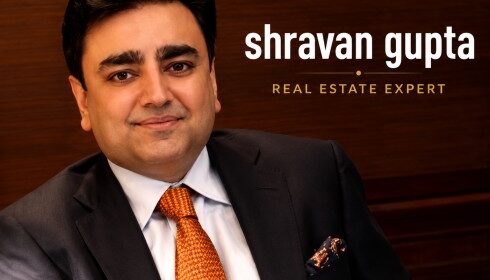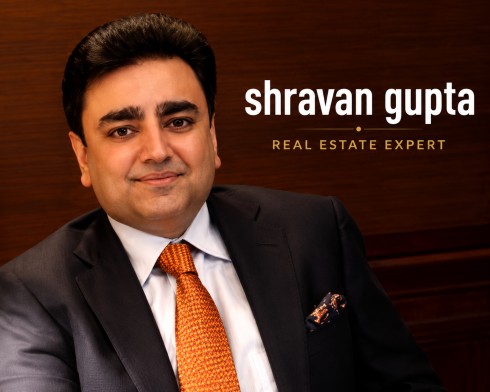
India’s real estate sector is one of the fastest-growing industries in the world. Shravan Gupta It contributes significantly to GDP, drives employment, and shapes how millions of people live, work, and invest. As cities expand and urban populations rise, the demand for well-planned residential communities, commercial hubs, and modern infrastructure has never been higher.
In such a competitive and complex industry, leadership matters. The real estate sector does not grow on its own. It grows because of the people who bring vision, discipline, and long-term thinking to every project they touch.
Shravan Gupta is one such professional whose perspective and experience in Indian real estate reflects the kind of strategic thinking the sector needs. His understanding of development, investment, infrastructure, and market dynamics places him among the voices that matter in this industry.
This article explores the Shravan Gupta role in Indian real estate, the key areas where his work and insight contribute to the sector, and the broader lessons his approach offers to developers, investors, and urban planners.
Who is Shravan Gupta?
Shravan Gupta is a real estate professional and business leader with deep roots in India’s property development landscape. With a background shaped by decades of exposure to the commercial and residential sectors, he carries an understanding of how real estate functions at both the ground level and the strategic level.
His experience spans multiple dimensions of the industry — from project development and urban planning to investment strategy and market positioning. He approaches real estate not merely as a transactional business but as a long-term value creation exercise that impacts communities, economies, and cities.
Shravan Gupta’s business philosophy is centered on quality, sustainability, and purpose-driven development. He believes that good real estate must serve people first and then generate returns — a balance that distinguishes thoughtful developers from those chasing short-term gains.
Understanding Shravan Gupta Role in Indian Real Estate
The Shravan Gupta role in Indian real estate is best understood through the lens of strategic leadership. At a time when India’s property market is undergoing rapid transformation, the need for experienced voices that can guide both capital and construction toward productive outcomes is essential.
Shravan Gupta’s approach focuses on:
- Long-term value creation over short-term profit
- Infrastructure-first thinking that supports sustainable urban growth
- Innovation in design and planning to meet evolving buyer expectations
- Market-sensitive development that responds to demand without overextending supply
His perspective aligns with the larger goals of India’s urban development agenda — building cities that are inclusive, functional, and future-ready.
Key Areas Where Shravan Gupta Contributes to Indian Real Estate
Residential Developments
India’s housing sector faces a dual challenge — serving the affordable segment while also meeting growing demand for premium and luxury residential communities. Shravan Gupta’s experience in this space reflects an understanding of what homebuyers across categories actually need: quality construction, thoughtful design, and lasting value.
Commercial Real Estate
The growth of India’s commercial property market — driven by IT parks, business districts, retail spaces, and co-working hubs — requires developers who understand not just construction but also business ecosystems. Shravan Gupta’s approach to commercial real estate emphasizes strategic location selection, high-quality infrastructure, and tenant-focused design.
Urban Infrastructure
One of the most critical factors shaping Indian real estate today is urban infrastructure. Roads, metro connectivity, water supply, power infrastructure, and digital networks directly influence property values and livability. Shravan Gupta has long recognized that infrastructure-led growth creates the strongest foundation for real estate investment.
Sustainable Development
Environmental responsibility is no longer optional in real estate. Buyers, regulators, and global investors are all pushing for greener buildings, lower carbon footprints, and resource-efficient communities. Shravan Gupta advocates for sustainable development practices that balance ecological responsibility with commercial viability.
Investment-Driven Growth
Real estate investment — from domestic buyers to NRIs and institutional capital — flows toward markets that offer transparency, legal compliance, and strong returns. Shravan Gupta’s emphasis on regulatory compliance, especially under RERA, builds the trust that investors require.
Impact on Urban Development and Infrastructure
The Shravan Gupta role in Indian real estate extends beyond individual projects to influence how urban development is thought about and executed.
Smart city development is reshaping India’s urban landscape. Integrated townships, mixed-use developments, and community-focused planning are replacing the fragmented, unplanned growth that characterized India’s earlier urbanization wave. Shravan Gupta’s perspective on urban infrastructure aligns with these goals.
Key contributions to urban development include:
- Supporting integrated, self-sufficient community planning
- Advocating for infrastructure modernization as a precondition for real estate growth
- Encouraging future-ready developments with digital and physical connectivity
- Promoting transit-oriented development that reduces urban congestion
These ideas are not abstract — they represent the practical decisions that shape where India builds next and how well those places serve their residents.
How Leadership Shapes the Future of Real Estate
Strong leadership in real estate does more than manage projects. It builds market confidence, sets quality standards, and inspires the next generation of developers and investors to raise the bar.
Shravan Gupta’s leadership approach in Indian real estate demonstrates several qualities that matter:
- Long-term planning that looks beyond the current market cycle
- Commitment to quality that protects buyer trust and brand value
- Adaptability in responding to policy changes, economic shifts, and demand trends
- Technology integration in project management, design, and customer experience
- Sustainable growth strategies that balance profit with purpose
In a sector often marked by short-termism and speculation, this kind of leadership creates the stability and credibility the Indian property market needs to mature.
Lessons from Shravan Gupta’s Real Estate Perspective
For investors, developers, urban planners, and homebuyers, the Shravan Gupta role in Indian real estate offers several important lessons:
- Vision matters more than timing. The best real estate decisions are driven by long-term clarity, not short-term market noise.
- Infrastructure drives value. Properties located near strong infrastructure — metro lines, highways, business districts — consistently outperform.
- Sustainability is non-negotiable. Green development is no longer a luxury feature. It is a market expectation.
- Quality builds trust. In a competitive market, consistent quality separates lasting brands from forgotten ones.
- Regulation is an opportunity. Frameworks like RERA have improved market transparency, and developers who embrace compliance build stronger reputations.
These are not just theoretical principles. They are the practical building blocks of a successful real estate career and a thriving property market.
Conclusion
India’s real estate sector stands at a defining moment. Rapid urbanization, growing middle-class aspirations, NRI investment interest, government infrastructure push, and technological adoption are all converging to create extraordinary opportunity.
In this environment, the Shravan Gupta role in Indian real estate represents the kind of grounded, vision-driven leadership that the sector needs. His focus on quality development, urban infrastructure, sustainable communities, and long-term value creation contributes to a stronger, more trustworthy property market.
For anyone engaged in Indian real estate — whether as a buyer, investor, developer, or planner — understanding the principles behind this leadership offers a clear guide to where the real opportunities lie.
Explore more insights on real estate development, urban infrastructure, and property investment strategies.
Frequently Asked Questions (FAQs)
Q1. What is Shravan Gupta’s role in Indian real estate?
Shravan Gupta is a real estate professional and business leader whose expertise spans residential development, commercial real estate, urban infrastructure, and sustainable property planning. His role involves strategic thinking, long-term value creation, and quality-focused development across India’s property sector.
Q2. How does leadership influence property development in India?
Strong leadership in real estate shapes project quality, market confidence, and long-term value. Leaders who prioritize sustainable, infrastructure-backed development create communities that serve buyers better and deliver stronger investment returns over time.
Q3. Why is urban infrastructure important for real estate growth in India?
Urban infrastructure — including roads, metro networks, utilities, and digital connectivity — directly impacts property values and livability. Real estate markets with strong infrastructure attract more investment, support higher prices, and offer better long-term returns.
Q4. What trends are shaping the future of Indian real estate?
Key trends include smart city development, transit-oriented projects, sustainable and green buildings, luxury housing demand, NRI investment growth, digital-first property transactions, and increased regulatory transparency through RERA.
Q5. How does sustainable development impact the Indian property sector?
Sustainable development improves long-term asset value, meets evolving buyer expectations, supports regulatory compliance, and attracts ESG-focused investors. It also reduces operational costs for residents and contributes to healthier urban environments.